
Services
Garment sourcing services for European apparel buyers
Milky Fashions coordinates private label and OEM programs so your team keeps decision control without managing every factory detail day to day.

This page explains the service offering, how a sourcing engagement runs for a European buying team. Development, garment sampling, production coordination, quality review, and shipment readiness stay in one conversation. The aim is not to replace the buyer's product judgement. It is to give that judgement a clear route from the first brief through the handoff to logistics. A useful engagement starts with a shared understanding of the category, the intended customer, the available references, and the people who can approve each decision.
One coordination thread
Briefs, sample comments, production updates, and shipment readiness live under one accountable conversation. The buyer knows where to send a decision, what remains open, and which action needs a response.
Product-first matching
Knit, woven, denim, and lifestyle programs are discussed against a production path that fits the product and its requirements. A category label alone is not enough, so construction, fabric direction, finishing, and the approval plan are reviewed together.
Buyer decisions stay with you
Fit, cost direction, and approvals remain with your team. We prepare the context needed for a decision and record the result, so the same issue is not reopened through separate messages.
Who this service is for
Brand founders, product developers, and procurement teams building private label or OEM programs with Bangladesh partners. It is also relevant when a buyer already has a supplier conversation but needs a more disciplined way to manage product inputs, sample feedback, and handoff responsibilities.
- First Bangladesh programs that need structured sampling and communication.
- Repeat buyers who want cleaner ownership across seasons.
- Teams comparing direct factory contact versus coordinated buying-house support.
- Buyers who need one clear route for product, quality, and logistics questions.

What we coordinate
The work spans development through shipment readiness. Exact scope is confirmed against your brief and requirement package. The service is organised around decisions that a buyer can review, rather than around generic status updates. Inputs and approvals are kept connected to the active style so later changes can be understood in context.
- Product development and construction alignment
- Fabric and trim direction against the brief
- Sampling rounds and feedback loops
- Production planning and progress visibility
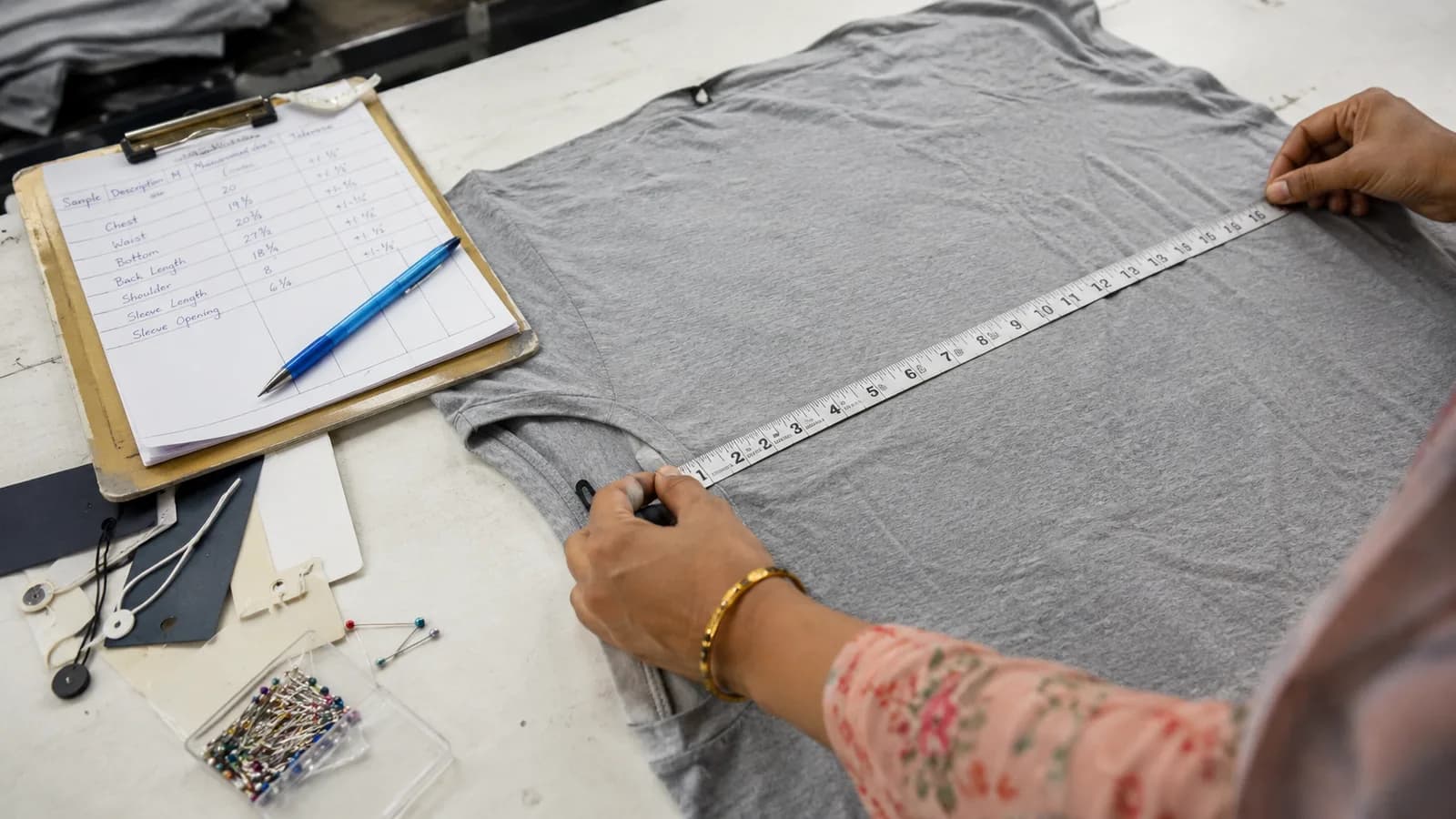
- Quality checkpoints tied to agreed specs
- Packing readiness and shipment handoff coordination
- Consolidated records for approvals, changes, and open questions
Built for buyer-side clarity
Capability details stay tied to your brief. Commercial details are confirmed during the program conversation.
How engagements usually start
A useful first conversation covers product family, target market, sample status, and the commercial structure you prefer. Quantity, pricing, and timing are discussed against a real brief, because these details depend on construction, materials, finishing, and the production path. The goal of the first review is to identify missing inputs before they become late decisions.
- Share the category and whether the brief is new or carryover.
- Bring tech pack or reference samples if available.
- List compliance or documentation expectations early.
- Confirm Incoterms and payment direction before bulk commitment.
- Name the buyer-side owners for product, quality, and shipment decisions.
Built for buyer-side clarity
Capability details stay tied to your brief. Commercial details are confirmed during the program conversation.
Keep the style record current
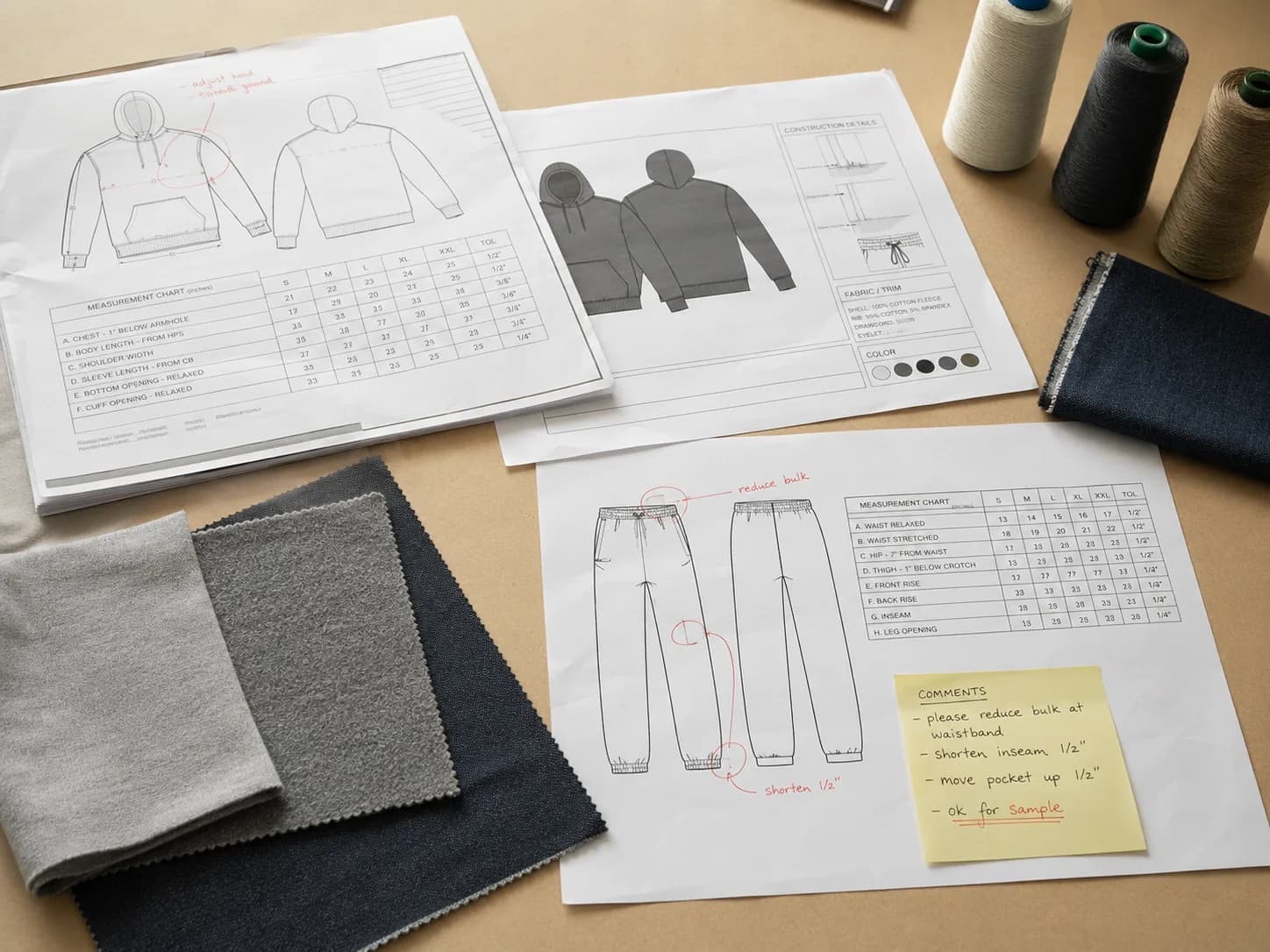
A style record gives the buyer, product team, and coordinator one active reference for the garment. It can bring together the latest sketch, measurements, fabric and trim direction, artwork, labels, packing notes, sample comments, and current approval status. It is not paperwork for its own sake. It helps a new colleague understand what has already been decided and prevents an old image or message from becoming an unintended instruction.
- Give each style a clear version and named buyer-side owner.
- Keep approved references beside the current technical information.
- Record what has changed and what still needs a buyer decision.
- Use the same active file for development, quality review, and shipment questions.
Built for buyer-side clarity
Capability details stay tied to your brief. Commercial details are confirmed during the program conversation.
Make each update actionable
An update is most useful when it tells the buyer what it relates to and what happens next. State the active style, the current reference, the point that needs attention, and the person who can make the decision. If the update changes an approved detail, show both the previous instruction and the proposed replacement. This gives product, quality, and logistics colleagues enough context to respond without searching through earlier messages.
- Link the update to the current style record.
- Separate confirmed information from open questions.
- Name the buyer-side decision owner and required response.
- Record the final decision beside the approved reference.
Built for buyer-side clarity
Capability details stay tied to your brief. Commercial details are confirmed during the program conversation.
Process stays visible
Our end-to-end flow follows brief alignment, sampling, production coordination, quality review, and shipment readiness. At each stage, the current specification and approval record should remain available to the people making decisions. A useful update makes clear what is complete, what remains open, and what buyer action is needed next. It should connect to the active style rather than report a detached status. Explore our sourcing model to see how ownership is structured across those stages.
FAQ
- Do you own factories?
- No. Milky Fashions is an independent sourcing partner. We coordinate a production path against each buyer brief rather than selling a single factory's capacity. Product fit, materials, and approval requirements guide the discussion.
- Can you support private label and OEM?
- Yes. Both paths are supported through development and production coordination. The product page explains capability framing for brand programs.
- What should we prepare before the first call?
- Prepare the product category, target market, sample or tech pack status, reference garments, and known documentation needs. It also helps to name the person who will consolidate product comments and the person who will approve shipment instructions.
- How are changes handled after a sample review?
- Changes should be consolidated in writing against the current style file. A useful comment identifies the garment, size, location of the issue, requested change, and whether a new sample or buyer confirmation is needed.
Continue exploring
Related resources
Services
Products
Blog
GET IN TOUCH