Skip to content

Products

Private label and OEM apparel built around the brief

Milky Fashions supports brand programs from development direction through coordinated bulk production, with each conversation shaped around the buyer brief.

Start a Conversation
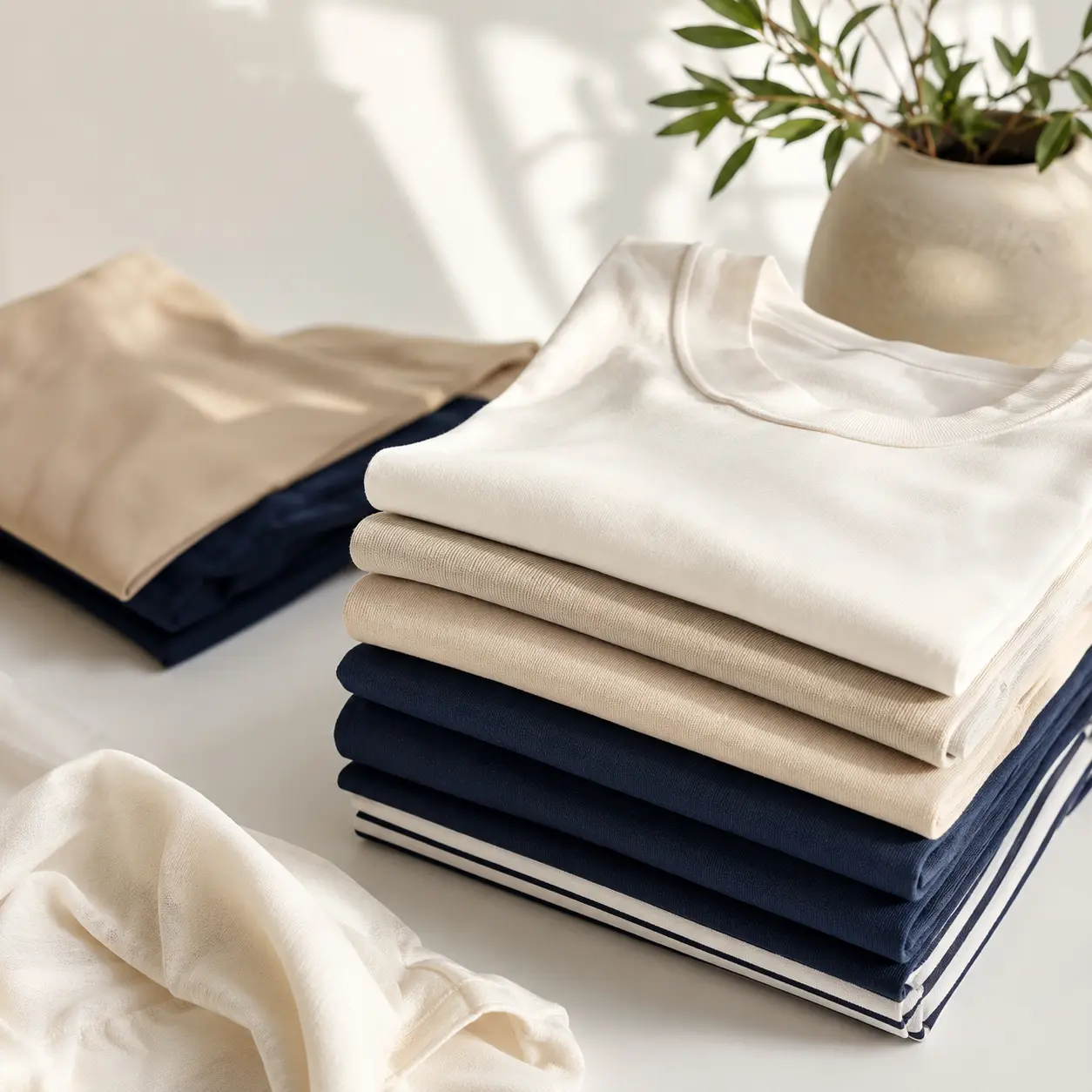
Imagery representing private label apparel product development

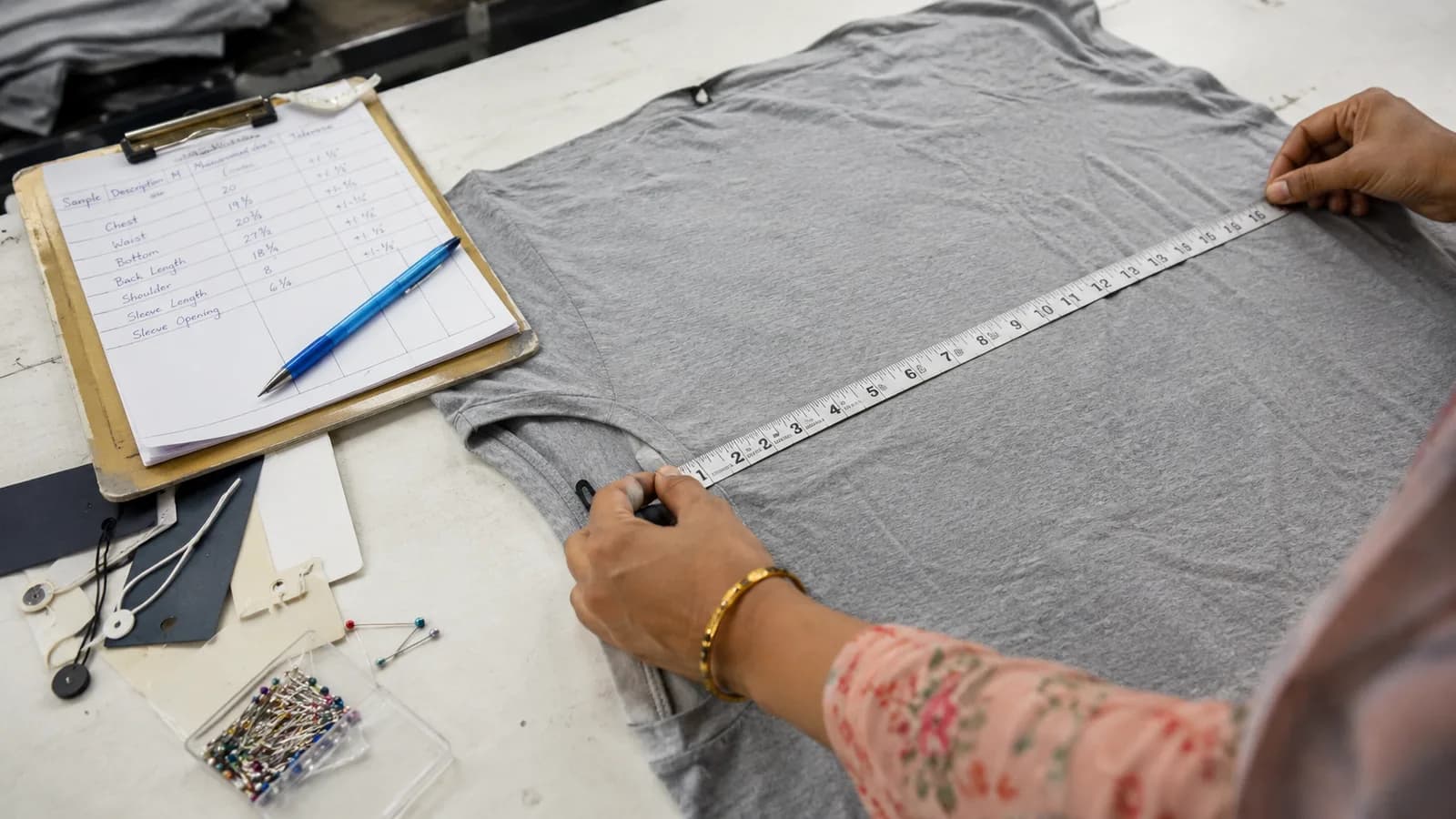
Private label and OEM work depend on category fit, sampling discipline, materials confirmation, and production ownership. Our approach brings those decisions into one coordinated path. A private label program is not only a logo on a garment. It is a linked set of choices about silhouette, measurements, fabric, trims, labels, care information, packing, and the way the finished piece should be presented to the customer. The clearer those choices are before bulk approval, the more useful every development conversation becomes.

Brand program support

Label, trim, and construction details are treated as part of the product package, not late add-ons. Artwork, placement notes, and packaging direction should travel with the style information so they can be reviewed at the right point.
Category-aware development

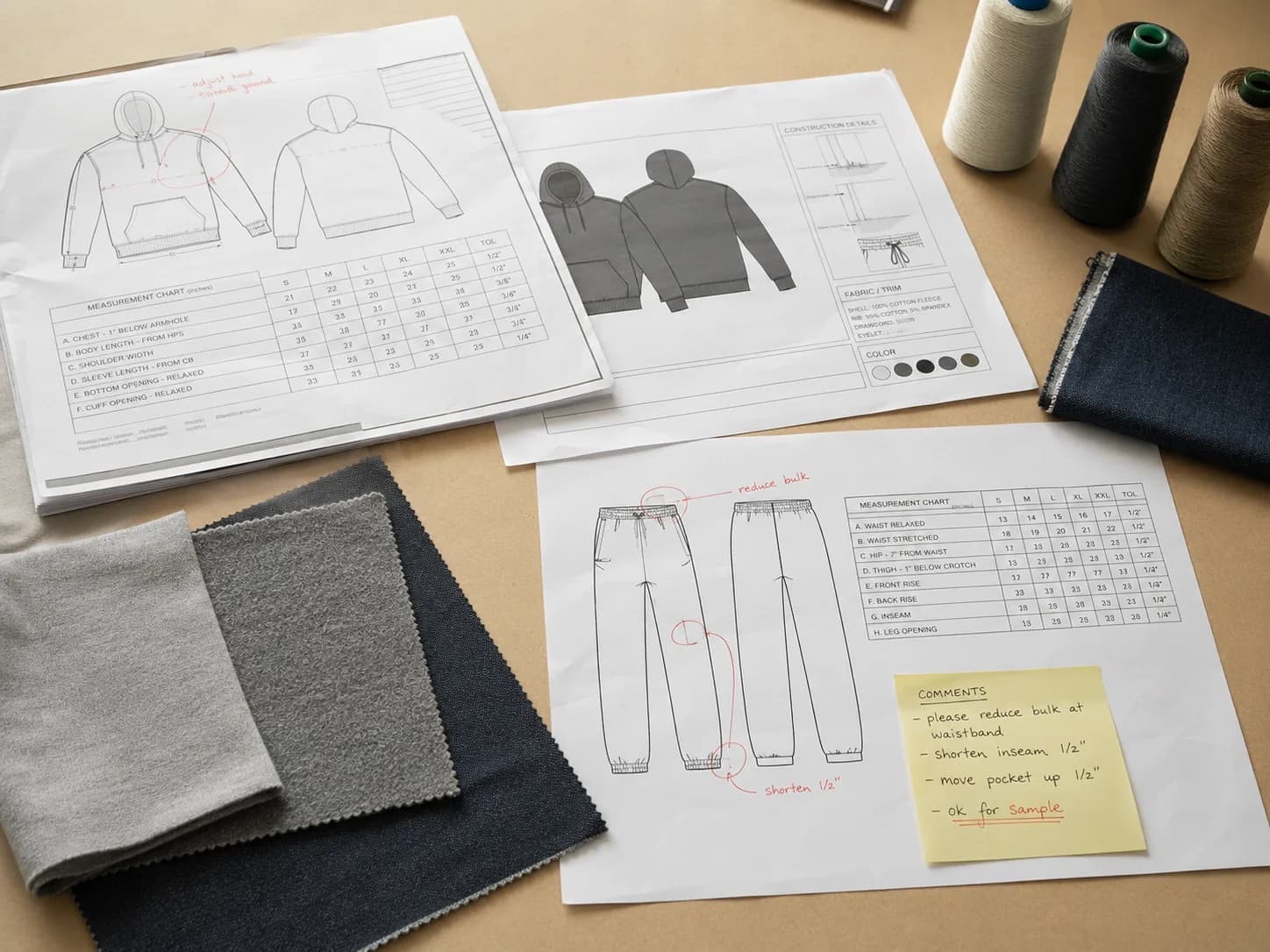
Basics, fleece, knitwear, denim, woven tops, and other listed categories follow different development realities. The brief should describe construction and intended use rather than relying on a broad category name.

Direct B2B conversations

Product discussions start on WhatsApp or through direct outreach, with the brief guiding the next steps. The opening conversation should identify what is fixed, what needs development input, and who owns each buyer-side approval.

A traceable approval record

Private label work becomes easier to control when a buyer can see the current approved position for each style. Keep the reference sample, measurement information, material direction, artwork, labels, packing notes, and comments in a connected file. When something changes, record the reason and the person who confirmed it. This makes the product easier to hand from design to merchandising, quality, and logistics teams.

Range context matters

A garment should be reviewed both on its own and as part of the wider range. Colour, branding, packaging, size approach, and customer use can be shared across several styles, while construction and fit remain style-specific. Separating range-level guidance from the individual style file makes it easier to identify which instruction applies everywhere and which one belongs to a single garment.

Handoffs should be deliberate

Before a style moves from development to bulk preparation, review the active record with the people who will use it next. Confirm the buyer's approved reference, the open questions, and the route for any new decision. Before shipment preparation, repeat that review with the buyer-side logistics contact. A concise, current handoff is more useful than a long history of unconnected messages.

A practical buyer review framework

Before approving a private label style, review the garment as a connected whole. Check the intended silhouette, measurements, material direction, trims, artwork, labels, care information, packing, and customer presentation against the active brief. If a reference does not answer a question, add it to the open-item list instead of assuming the missing detail. This gives the next sample review a clear purpose and helps the buyer distinguish exploration from a final instruction.

Development Path

From brief to coordinated bulk

  1. Step 1

    Brief and references

    Align on product family, target market, and whether you are starting from a tech pack, sample, or concept notes. Bring reference imagery and mark which features are essential to the brand, so the development discussion has a useful decision hierarchy.

  2. Step 2

    Development and sampling

    Move through construction, materials direction, and fit feedback with written comments between rounds. Consolidated feedback is easier to apply than separate messages from several teams, especially when a change affects both appearance and garment construction.

  3. Step 3

    Pre-production confirmation

    Lock approved materials, measurements, trims, artwork, labels, and packing rules before bulk cutting. Keep the approved reference and the latest style file together, so the relevant details remain visible when the product changes hands.

  4. Step 4

    Production coordination

    Keep progress visible and escalate issues early enough to protect buyer decisions, not only a delivery plan. Updates should make clear what is complete, what needs input, and which existing approval is affected.

Materials stay tied to the brief

Fabric and trim options are coordinated against your quality bar and program intent. Specific availability and documentation are reviewed for the program. A useful material note records composition direction, weight or hand-feel preference where known, colour references, and any trim or care-label instruction connected to the style. It should also identify which reference is current, which colour or finish needs approval, and whether a decision affects other styles in the range. Keeping this information with the technical file avoids a material discussion becoming detached from fit, branding, or packing decisions. It also gives the buyer a practical checklist for reviewing a revised sample and keeping related style decisions consistent.

FAQ

What is the difference between private label and OEM here?
Both involve producing to a brand brief. Private label often emphasises brand-ready presentation and assortment. OEM emphasises manufacturing to a technical package. In practice, many programs blend both, so the important task is to document exactly what the buyer has defined and what still needs development.
Do you list MOQ or prices?
No. MOQ and pricing depend on product, materials, and order structure. Those details belong in a direct conversation against a real brief.
Which categories can you discuss?
The products hub lists supported category families such as basics, hoodies, knitwear, denim, woven tops, outerwear, workwear, and kidswear. A direct discussion should still start with the specific garment construction, materials direction, and brand requirements.
What should a private label brief include?
Include the intended garment, reference images or sample, measurements, fabric and trim direction, label artwork, care information, packaging notes, destination market, and the buyer-side owners for comments and approval.

GET IN TOUCH

Have a collection or sourcing brief in mind?

Start the Conversation