
About
Our sourcing model: coordination with buyer control
Since 2002, Milky Fashions has coordinated Bangladesh apparel programs with clear ownership at every stage.

Our model keeps product decisions with the buyer while we carry day-to-day coordination in Bangladesh. Each stage has a clear owner and communication path. The model is designed for teams that want visibility into the active product file without turning every sample comment or progress question into a separate relationship to manage. The buyer retains authority over fit, materials direction, brand presentation, commercial choices, and the final approval route.
Clear ownership
One coordination thread for development updates, sampling comments, production progress, and shipment readiness. The current status should identify what is confirmed, what needs buyer input, and who is responsible for the next decision.
Buyer control
Approvals on fit, materials direction, brand presentation, and commercial choices remain with your team. Coordination can prepare information and keep the record orderly, but it does not replace the buyer's product or risk judgement.
Production path follows product
We match the brief to an appropriate production path instead of forcing every style through one generic route. Category, construction, fabric direction, finishing needs, and the strength of the buyer brief all affect the most useful development conversation.
Program-specific terms
Quantity, timing, and commercial details are discussed against the product brief and production path. Keeping them tied to the active style avoids broad assumptions that may not fit the material, construction, or buyer approval process.
A shared product record
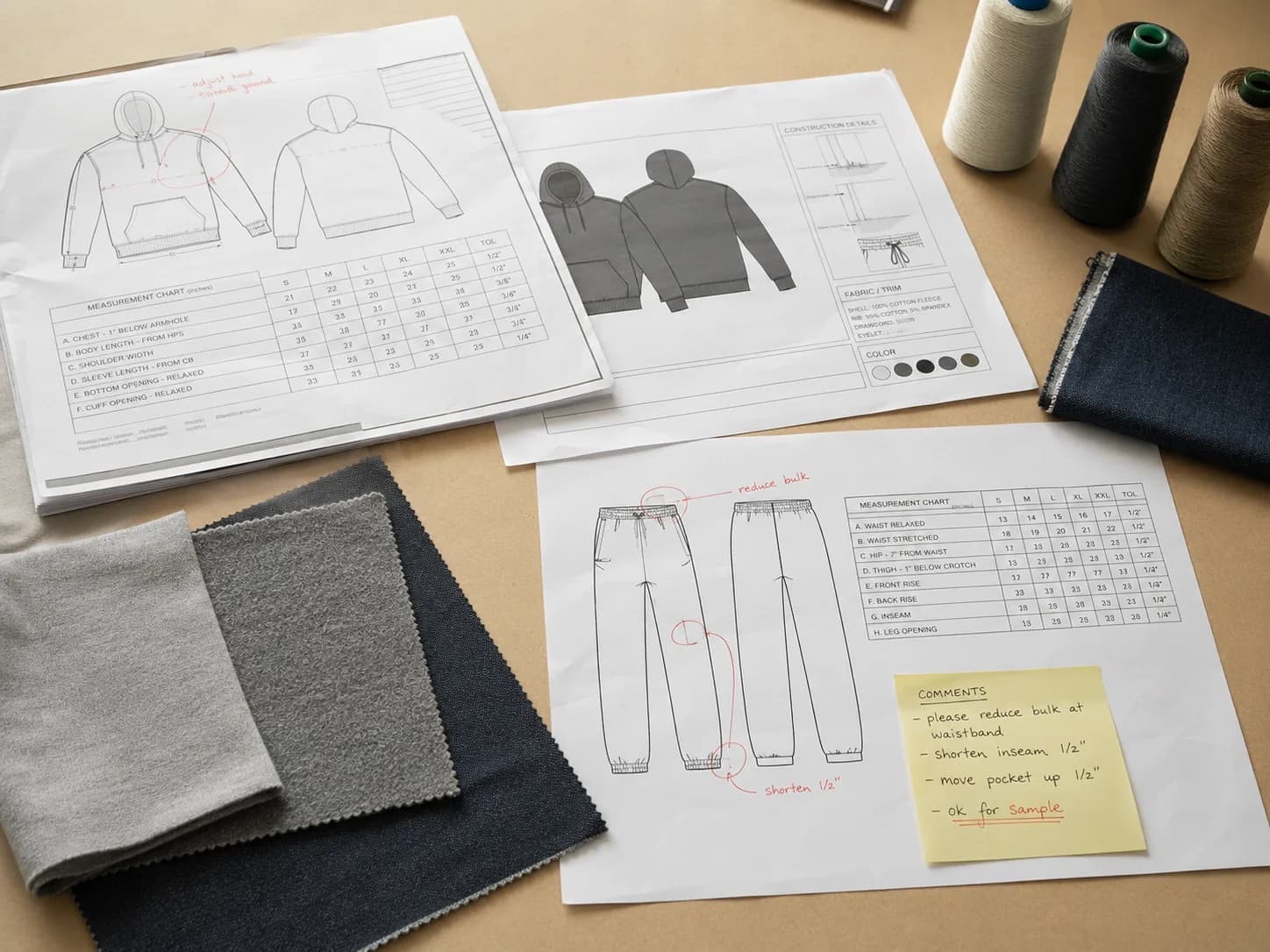
The active style record connects the buyer brief with the day-to-day coordination work. It can contain the latest sketch, reference sample, measurements, material direction, artwork, labels, packing notes, sample comments, and decision status. A named buyer-side owner keeps the record current, while the coordination thread makes open questions visible to the relevant people. This gives every handoff a practical reference point.
Deliberate handoffs
Product work moves between design, merchandising, quality, finance, and logistics. Before it moves, the receiving person should know which reference is current, which details have approval, what remains open, and who can make the next decision. A short handoff review keeps the programme organised without adding unnecessary reporting. It also makes it easier to explain the reason for a change when colleagues join later.
Resolve open points in context
Not every question needs an immediate answer, but every open point should be visible in the active product record. Describe the style, the detail that needs a decision, the available references, and the buyer-side owner. When the answer is confirmed, record it beside the related material, fit, artwork, or packing instruction. This keeps the sourcing model practical for teams working across product development, quality review, and shipment preparation.
Workflow
How a program typically moves
- 01
Align the brief
Product family, references, target market, and requirement package. The buyer identifies what is fixed, what needs development discussion, and which teams must review the result.
- 02
Sample with written loops
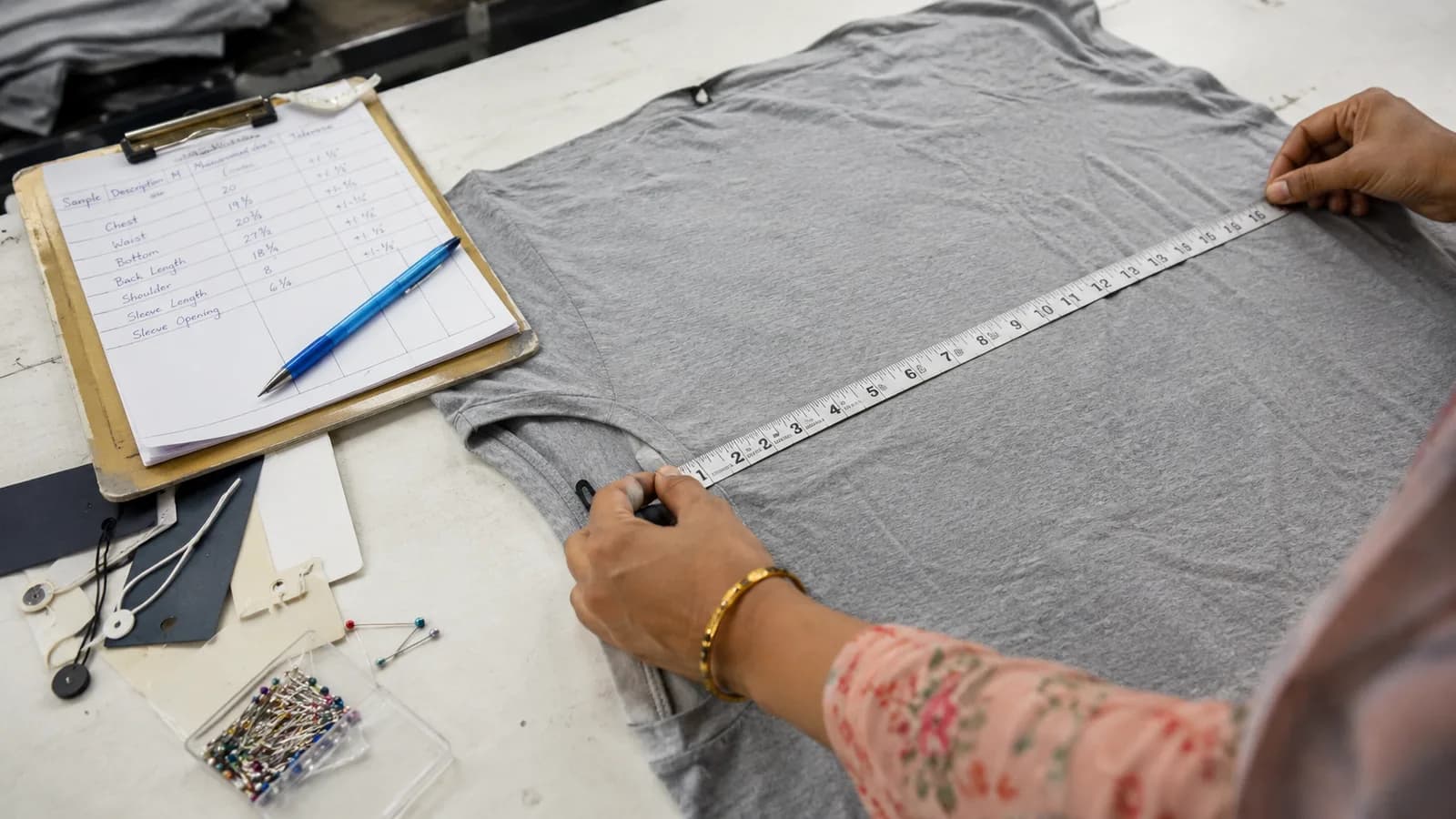
Development and fit rounds with written comments your technical team can act on. A useful comment identifies the garment, size, location, requested change, and whether another review is needed.
- 03
Confirm before bulk
Materials, measurements, trims, artwork, labels, and packing rules locked with named owners. The approved reference and current specification remain together before bulk instructions are released.
- 04
Coordinate production
Progress visibility and escalation when a decision or plan needs attention. Updates should explain the impact on the style and the buyer action required, rather than simply reporting that something has changed.
- 05
Ready the shipment
Quality review and document handoff aligned to the commercial terms your team chose. The relevant buyer-side contacts should know what must be checked before the shipment is released to its next handler.
- 06
Review the learning after each style
After a style has moved through development and handoff, capture the practical learning while the details are still clear. Note which parts of the brief needed more explanation, which approval route worked well, and which files were most useful to the buyer team. This does not create a claim about future work. It gives the next style a stronger starting point and makes repeat programmes easier for new colleagues to understand.
This model fits teams who want visibility without factory micromanagement
If your merchandising and technical teams want decision control, but cannot staff every Dhaka follow-up, coordinated sourcing support can be the right shape. It is particularly useful when several internal colleagues need the same current product information and the buyer wants one route for questions, approvals, and escalation. It also suits teams that want to avoid disconnected updates from product development, quality, and logistics. The working record keeps the latest reference, open questions, and buyer decisions together, so a colleague can understand the current position without reconstructing an old conversation.
- Private label founders building a first Bangladesh path
- European product developers managing multi-style seasons
- Procurement teams that need cleaner escalation ownership
- Teams that want a traceable record of changes and approvals
- Brand teams that need structured handoffs between product, quality, and logistics
FAQ
- Is this the same as the Services page?
- Services describes capability areas. This About child page explains the operating model and ownership logic behind those capabilities. It shows how the same product brief, sample comments, approval record, and shipment preparation can stay connected through a programme.
- What company background is available?
- Milky Fashions has operated since 2002, is a BGBA member, and has participated in Asia Apparel Expo Berlin. Contact details and the Dhaka office address are available on the site. Product-specific capability and documentation should be discussed against the active buyer brief.
- Who makes the final product decisions?
- The buyer does. The sourcing model is built to organise information and coordination around buyer decisions on fit, materials, branding, commercial choices, and the approval route.
Continue exploring
Related resources
Services
Blog
GET IN TOUCH