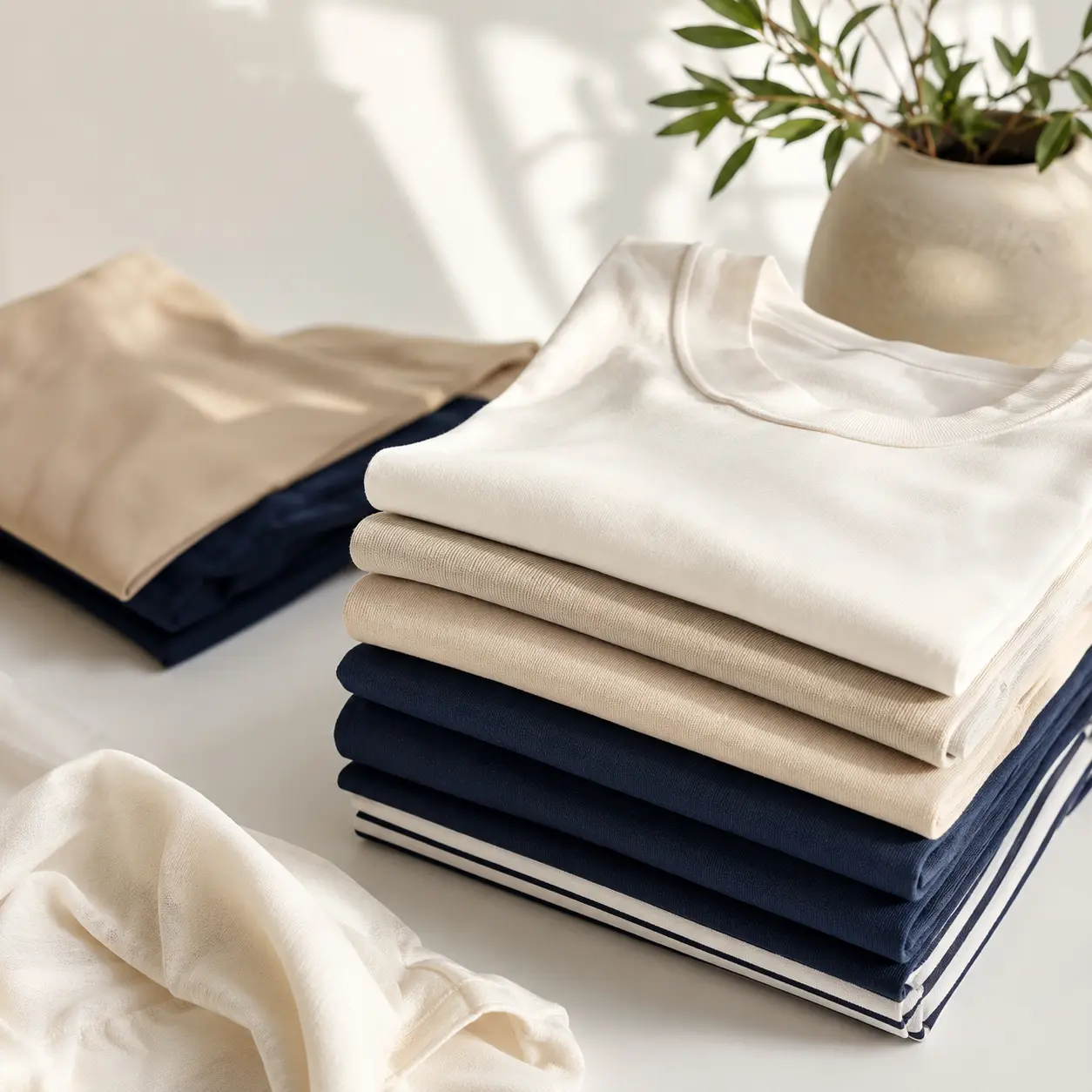

Most bulk quality problems in Bangladesh apparel programs start earlier than the sewing line. Color approval is incomplete. Size set comments are vague. Trim cards are missing. Packing standards arrive after cartons are already planned. European brands that treat pre-production as a real gate, not a paperwork step, avoid a large share of that friction.
This pre-production approval checklist walks from lab dip through bulk release for teams sourcing apparel in Bangladesh. It is process guidance for merchandising, technical, and operations stakeholders. It is not a promise of lead times, factory capacity, or certification status.
Why pre-production discipline matters in Bangladesh apparel
Bangladesh remains a core production hub for knit, fleece, denim, and woven programs bound for Europe. The factories that perform well share one habit: they do not cut bulk until the reference package is closed. The brands that struggle often treat approvals as informal, then discover gaps during final inspection when options are limited.
- Approvals create a shared reference for factory, sourcing partner, and brand.
- Written comments travel better across time zones than verbal notes in a video call.
- Bulk inspection becomes verification, not rediscovery of open questions.
- Finance and logistics can plan against a clearer ex-factory date.
- Disputes shrink when each round has a named owner and a stored file.
1. Lab dip and color approval
Color work should be treated as a decision gate, not a formality. In Bangladesh programs, body fabric, rib, collar tape, and trim colors often dye on different substrates. Confirm substrate, lighting condition for evaluation, and whether approval is for each material separately or as a combined look.
- Record color standard reference and submission round number on every dip.
- Mark each submission approved, revise, or reject with specific comments.
- Confirm whether bulk fabric must match the approved dip under agreed light.
- Note if the approval covers one supplier lot or all lots for the season.
- Store photo and physical reference ownership clearly on both sides.
- Flag metamerism risk when body and rib are evaluated under different lights.
European buyers often review dips under D65 or agreed retail lighting. State that expectation in the brief so the factory and fabric mill do not assume office fluorescent is enough. If your brand uses a digital color workflow, say whether the physical dip remains the final authority.
2. Fabric and trim confirmation
Before bulk cutting, lock the materials package your team actually approved. That includes main fabric, rib, interlining where used, sewing thread direction where relevant, labels, hangtags, zippers, buttons, elastics, and any buyer-specified packaging components.
- Issue or confirm a trim card with artwork, placement, and supplier references.
- Match fabric composition and weight to the approved bill of materials.
- Confirm whether nominated trims are in stock or still on order.
- Record any approved substitute with date and approver name.
- Check care label content against destination market rules as your team defines them.
Trim delays are a common reason bulk calendars slip in Bangladesh. A sourcing partner can chase mill submissions and confirm trim cards reach the factory before cutting, but the brand still owns final artwork and legal content on labels.
3. Size set review
A size set proves graded measurements across the range, not only the sample size. Require a measurement chart comparison and fit comments by size where your process needs it. For EU programs, confirm whether evaluation uses metric charts only or also includes brand-specific fit blocks.
- Check critical points first: chest, length, sleeve, waist, rise, and hem.
- Mark tolerance expectations in writing, not as implied industry default.
- Call out construction issues separately from measurement issues.
- Confirm which sizes are approved to proceed and which need another round.
- Photograph construction details that comments alone may not capture.
| Size set checkpoint | What good looks like | Common gap |
|---|---|---|
| Grading logic | Smooth step between sizes on key points | Only sample size fits; bulk sizes drift |
| Tolerance language | Written plus/minus on critical measurements | Verbal okay without chart update |
| Construction | Seams and finishing match approved sample | Shortcut stitching on non-sample sizes |
| Approval record | Named approver and date per size decision | Email thread with no final sign-off |
4. Pre-production sample sign-off
The PP sample should represent bulk intent: approved materials, construction, labels, and finishing. If the PP is still a development compromise, say so explicitly and list open items before cutting. Teams that confuse a fit sample with a PP sample often discover label placement or wash finish gaps at bulk.
| Checkpoint | What to verify | Sign-off owner |
|---|---|---|
| Color and handfeel | Matches approved references | Brand product or QA |
| Construction | Seams, stitches, reinforcement details | Brand technical |
| Measurements | Within agreed tolerances | Brand technical |
| Trims and labels | Correct placement and artwork | Brand + sourcing partner |
| Wash and finish | Matches approved standard if applicable | Brand product |
| Packing presentation | Fold, polybag, carton marks if already defined | Brand operations |
Store the approved PP with a version number. If bulk uses a later correction, update the reference and notify inspection teams. Pre-shipment checks should compare against the latest approved package, not an older sample still on a shelf.
5. Packing and document readiness
Do not leave packing to the week of ex-factory. Define assortment, carton marks, polybag print rules, hanger strategy, and document package expectations while production is still adjustable. EU retail programs often need barcode placement, ratio packing, and destination-specific labeling confirmed before the first carton is sealed.
- Confirm size ratio and color ratio per carton against the order breakdown.
- Agree carton dimensions and weight limits with freight planning in mind.
- Share final packing instruction with factory and inspection contact.
- List commercial documents expected at handover: invoice, packing list, and any buyer forms.
- Align inspection timing with packing start so defects can be corrected in process.
6. Bulk release gate
Bulk release is the moment the factory moves from preparation to full cutting and sewing at scale. Treat it as a formal gate with a short written summary, even for repeat styles. Carryover programs still need confirmation when fabric lot, trim supplier, or construction note changed since last season.
- All critical approvals closed or explicitly deferred with owners and dates.
- Order confirmation matches approved bill of materials line by line.
- Inspection plan and AQL language agreed if your program uses them.
- Shipment commercial terms already chosen and documented.
- One owner listed for escalation on both brand and Bangladesh sides.
- Open exceptions logged with risk acceptance where your process allows it.
Working with a sourcing partner on approvals
European teams without a Dhaka office often use apparel supplier support or a sourcing partner to keep the checklist moving. That can include circulating comments, chasing trim submissions, confirming factory execution matches the approved package, and preparing inspection folders. Your team still owns product decisions. Clear ownership on both sides is the point.
- Define who writes approval summaries after each round.
- Use one shared folder or PLM record for dips, charts, and PP photos.
- Set response windows that respect both EU and Bangladesh working hours.
- Escalate open items before bulk, not after the first inline report.
Pair this checklist with your supplier scorecard and Incoterms notes before the first bulk commitment. Strong pre-production discipline reduces cost later, but it does not replace commercial clarity on payment, freight, and document ownership.
Is a fit sample the same as a PP sample?
Not always. Fit samples may still use substitute materials or unfinished labels. A PP sample should reflect bulk intent as closely as practical before cutting. If your program uses both stages, name them clearly in the brief so the factory does not ship the wrong reference.
What if one trim is still pending at bulk release?
Document the exception, the temporary reference, and the date by which the final trim must be approved. Do not leave it as an informal side message. If the brand accepts the risk, record that acceptance in writing with a named owner.
Should every style need the full checklist?
Carryover styles with unchanged materials may use a shorter path. New developments, colorways, construction changes, and new factories should keep the full gate. When in doubt, run the longer path once rather than repair bulk later.
Who should attend the final PP review?
At minimum, brand product or technical plus the person who will sign bulk release. Operations and compliance stakeholders should join when packing, labeling, or testing requirements are non-standard for your program.
Can a sourcing partner approve colors on our behalf?
A sourcing partner can coordinate submissions and summarize factory comments. Brand approval authority should stay with your named product or QA owner unless your internal policy explicitly delegates it.
Ready to discuss a sourcing brief?
Share your product family, sample status, and market destination. We will help you prepare the next conversation around the details you provide.
Start a WhatsApp conversation