European buyers searching for a Bangladesh garment exporter often meet mixed language. Some partners are factories. Some are trading companies. Some are sourcing desks that coordinate export-ready programs across a factory network. The useful question is not which label sounds strongest. It is who owns which tasks from brief to shipment readiness for your EU market.
This Bangladesh garment exporter EU buyers guide explains how export programs typically work. It stays educational and conservative. It does not invent MOQs, prices, capacity numbers, or certificate ownership. Use it to align merchandising, operations, and finance before you lock a season plan.
Roles in a Bangladesh garment export program
Export-ready apparel is a chain of decisions, not a single invoice. When each role is named early, EU buyers spend less time chasing answers after production starts.
- Buyer or brand team: owns the brief, approvals, commercial terms, and destination requirements.
- Factory: owns production capacity, process control, and factory-side documentation as agreed.
- Sourcing partner: coordinates factory matching, sampling, production follow-up, quality checkpoints, and export program support when the buyer has no Dhaka office.
- Freight and customs advisors: handle booking, routing, and destination clearance rules outside the factory floor.
- Testing or inspection providers: deliver evidence when your program lists them explicitly.
How Bangladesh export programs usually move
Timelines vary by fabric, construction, and approval discipline. The sequence below is a practical reference for EU private label and OEM teams, not a fixed calendar promise.
- Brief and tech pack review: product type, fabric, construction, quantity range, and destination market.
- Factory matching: capability fit first, then commercial conversation.
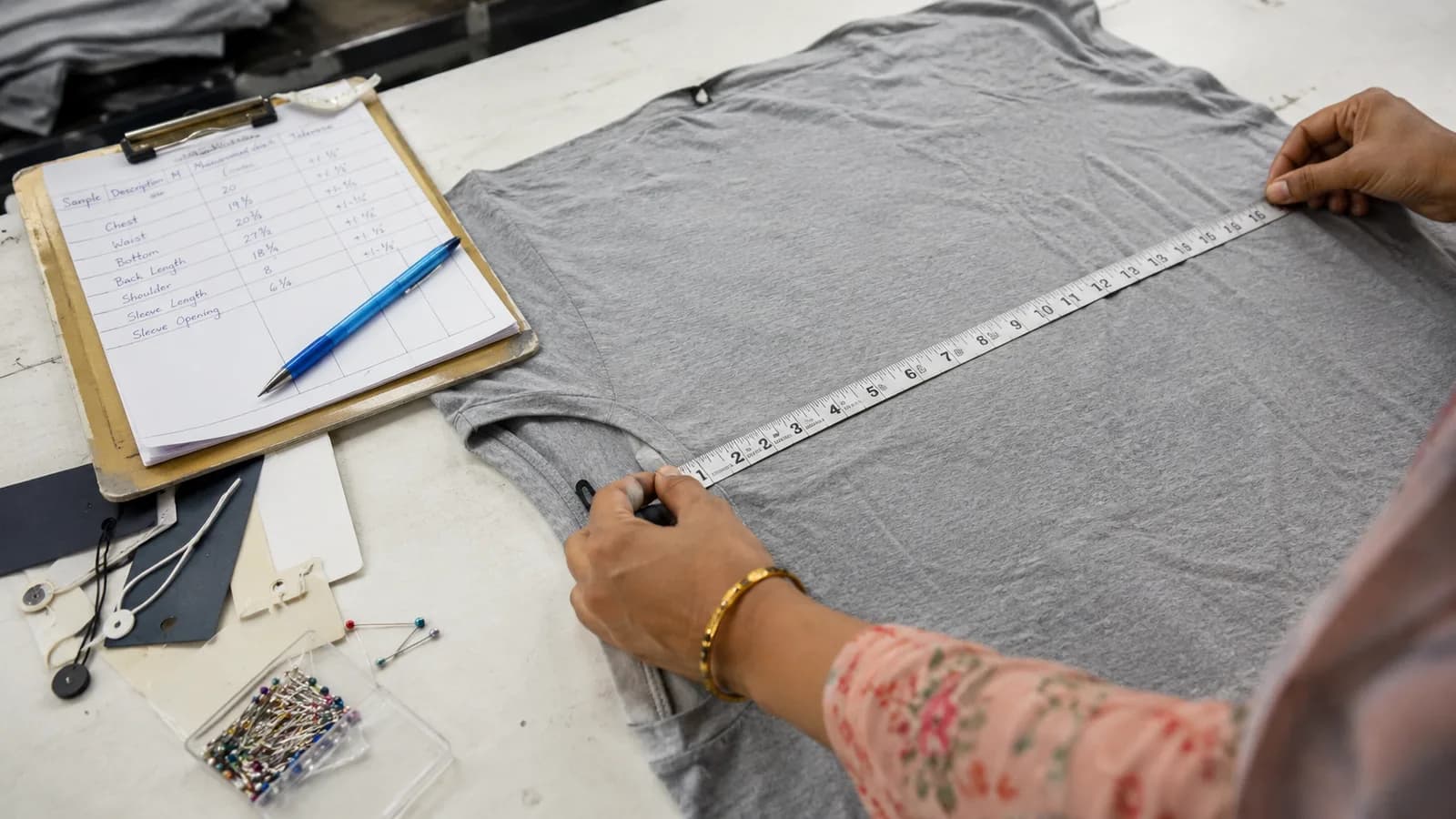
- Sampling and approvals: fit, measurement, handfeel, lab dip, and bulk reference discipline.
- Order confirmation and production follow-up: time and action dates, material booking, and inline checks.
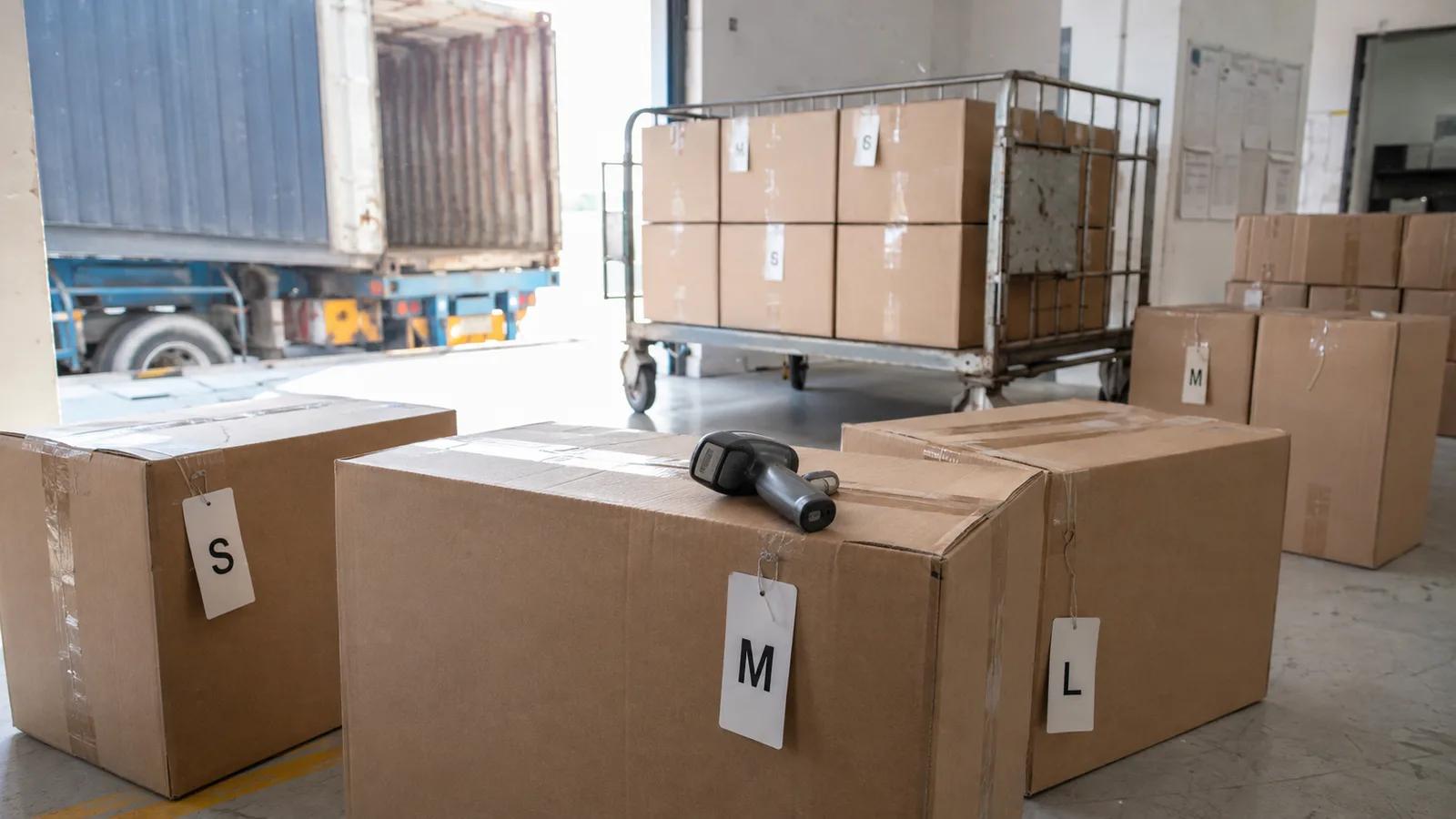
- Pre-shipment quality and pack readiness: inspection against the approved standard before goods leave Bangladesh.
- Export and freight handover: documents and booking aligned to the agreed Incoterm and destination gateway.
Teams that skip written approval summaries often rediscover the same questions at pre-shipment. A pre-production checklist reduces that recycle cost without replacing your quality standard.
Documents EU buyers should expect to discuss
Exact document packages vary by buyer, destination, and payment method. Common topics include commercial invoice, packing list, bill of lading or airway bill, certificate of origin when required, and any buyer-specified testing or audit evidence. Treat document lists as program-specific, not as a fixed website template.
| Document cluster | Typical purpose | Confirm with |
|---|---|---|
| Commercial invoice and packing list | Matches PO, quantities, and value for customs and payment | Finance and customs broker |
| Transport document | Proof of shipment under agreed Incoterm | Freight forwarder and buyer ops |
| Origin paperwork | Preference or origin proof when your route requires it | Customs advisor |
| Buyer testing and audit files | Evidence tied to your requirement list | Brand compliance owner |
| Labeling and packing proof | Retail-ready assortment as approved | Brand operations |
Letter of credit programs add bank language that must match field-level details on every document. If you use LC, align the document checklist before production, not at ex-factory week.
Realistic planning for EU calendars
A practical planning window for many Bangladesh apparel programs is about 60 to 90 days of production after sample approval and order confirmation, then sea freight to Europe. Sampling and fabric booking sit in front of that window. Share drop dates early so the desk can sequence development and bulk without silent calendar risk.
Minimums depend on fabric, construction, and factory setup. For many basic knit and casual styles, programs can often start in the low hundreds of pieces per style when the right factory match is available. Complex washes, special trims, or niche fabrics usually need higher quantities. Request a brief-based discussion rather than trusting a frozen public MOQ table.
- Add buffer for trim delays and re-dip rounds on new colors.
- Confirm whether your program is sea-only or needs air for a tight drop.
- Align ex-factory dates with your warehouse inbound capacity in Europe.
- Track public holidays and factory maintenance windows in planning notes.
Commercial terms to clarify before bulk
Bangladesh garment exporter conversations often focus on product first and leave Incoterms, payment, and defect handling for later. EU buyers who clarify commercial terms early avoid rework when cartons are ready.
- Incoterm and named place: FOB Chattogram, CIF Rotterdam, or other agreed term.
- Payment method: TT, LC, or other structure with trigger points defined.
- Currency and who bears bank charges.
- Inspection rights and AQL reference if used.
- Claim window for quantity or quality disputes after arrival.
Where apparel supplier support helps EU buyers
Teams without a Dhaka office often need apparel supplier coordination and garment export program support more than another brochure. A sourcing partner can keep factory matching, sampling feedback, production follow-up, and pre-shipment checks in one accountable thread. That is different from claiming to own every factory or every certificate on the path.
- Translate buyer comments into actionable factory instructions.
- Maintain approval folders linked to style and PO numbers.
- Coordinate inspection timing with packing progress.
- Flag document gaps before goods reach the port.
For commercial next steps, pair this article with your Incoterms notes, supplier comparison framework, and a clear brief before you lock bulk.
Strong export programs treat the first shipment as a template. File the document set that cleared customs, note which fields required correction, and reuse that checklist on the next PO. EU buyers who build that habit spend less time renegotiating basics every season.
EU destination requirements beyond the factory floor
Bangladesh garment export programs do not end at FOB. EU buyers still own destination rules on labeling, packaging language, and any retailer gate that applies after customs clearance. Share those requirements in the first brief, not as a revision after PP approval.
- Care label language and symbol set for your target markets.
- Barcode and price sticker rules if your warehouse applies them.
- Polybag and hanger policy aligned to your retail or e-commerce channel.
- Any restricted substance or test report your compliance team lists.
- Import entity details that must appear on documents for your broker.
When multiple EU countries receive the same style, confirm whether one label strategy covers all destinations or whether you need assortment splits. Splitting late creates repack cost and calendar risk.
First season discipline with a new Bangladesh partner
Your first season sets the working rhythm. Start with a product family the partner knows well. Run the full approval path once even if later seasons shorten it. Score the relationship after delivery using the same criteria you used during selection.
- Limit parallel new factories unless your team can absorb the admin load.
- Hold a short retrospective after first shipment: what was late, what was unclear, what to fix in the brief.
- Archive document packages by season for customs and finance audit trails.
EU retail peaks punish silent delays. Ask for a simple weekly status note during bulk if your program is time sensitive. The note should cover material readiness, sewing progress, packing start, and any open approval items.
Is every Bangladesh garment exporter a factory?
No. Some exporters are factories. Others are trading or sourcing partners that coordinate export-ready programs across matched factories. Ask who owns production and who owns buyer-side coordination.
What should we send to start an export program conversation?
Product type, tech pack or detailed specs, quantity range, destination market, timing, and any required audit or testing list. Incomplete briefs still get replies, but quotes and timelines stay provisional until the brief is clearer.
Can a website quote fixed FOB and MOQ for every style?
No reliable desk should. Fabric, trims, finishing, volume, and quality standard change the commercial reading. Share a brief for a current discussion instead of trusting a frozen public table.
Does Milky Fashions hold BSCI or GOTS?
No. Milky Fashions does not claim those certificates. We coordinate programs against the buyer requirement list with factory partners as the brief requires.
How do EU buyers reduce shipment surprises?
Align Incoterms, document lists, and inspection timing before bulk. Confirm packing rules during production, not after the first carton is sealed. Use a sourcing partner for ground coordination if your team has no local office.
Ready to discuss a sourcing brief?
Share your product family, sample status, and market destination. We will help you prepare the next conversation around the details you provide.
Start a WhatsApp conversation