US fashion brands, wholesalers, and importers use Bangladesh for knit basics, fleece, denim, and private label programs when they want competitive production without opening a Dhaka office. Milky Fashions works as an independent buying house: we match factories to the brief, coordinate garment sampling against one controlled specification, and keep quality checkpoints visible before goods ship to your US gateway.
Why US brands source apparel from Bangladesh
For brands without a local Bangladesh office, a sourcing partner or buying house can keep factory selection, sampling, quality follow-up, and garment export program coordination in one place. The practical question is whether the selected route fits the actual garment brief and buyer requirement list.
- Useful for US teams building private label and OEM programs without a local Bangladesh office
- Ocean transit to US gateways is typically longer than to Northern Europe, so drop dates need earlier sampling lock
- Kidswear briefs may include US safety and labeling questions. We treat those as part of the requirement list, not as a certificate Milky Fashions holds
- Factory matching by product family rather than one generic mill for every style
How a Bangladesh buying house helps US buyers
A buying house represents the buyer through a factory-matching and coordination process. That is different from a single manufacturer selling only its own capacity. Milky Fashions works as a Bangladesh sourcing partner with apparel supplier support and garment export program coordination: factory matching, sampling, production follow-up, and pre-shipment checks so your team keeps one accountable partner on the ground in Dhaka.
- Tech pack review and factory shortlist for the product type
- Sampling rounds with clear feedback capture
- Production monitoring against the agreed time and action plan
- Quality checkpoints before goods leave Bangladesh
- Supplier and export program coordination toward your preferred European or North American gateway
Categories we source
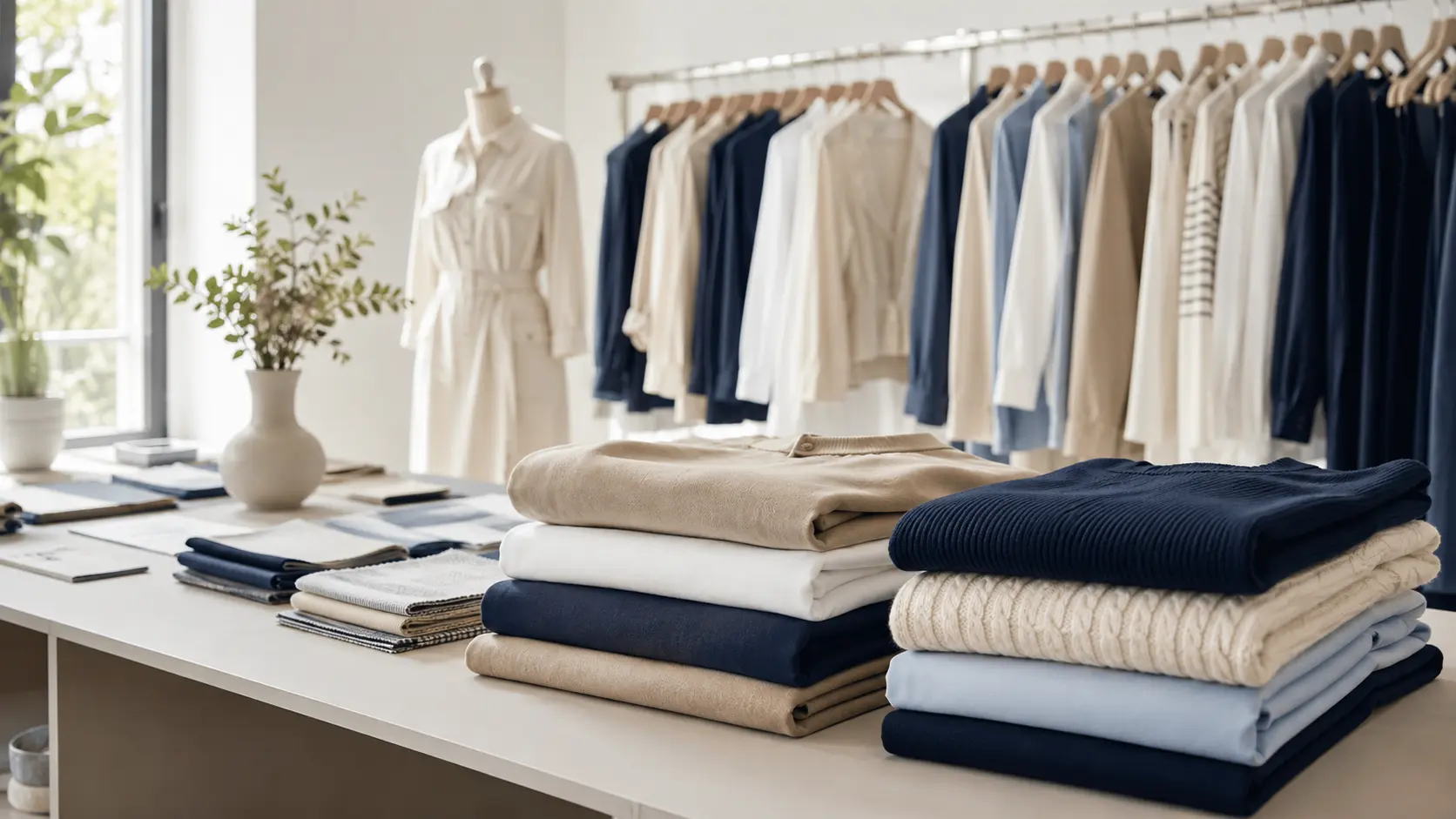
Programs usually sit across jersey basics, fleece, knitwear, denim, woven shirts, and related casual categories. The right factory for a heavyweight hoodie is not always the right factory for a lightweight fashion tee, so matching product to capability matters more than a generic supplier pitch.
- T-shirts, polos, and jersey basics
- Hoodies, sweatshirts, and fleece
- Sweaters and cardigans
- Denim and casual woven bottoms
- Private label and OEM collections built from your brief
Order planning: quantity, timing, and costing
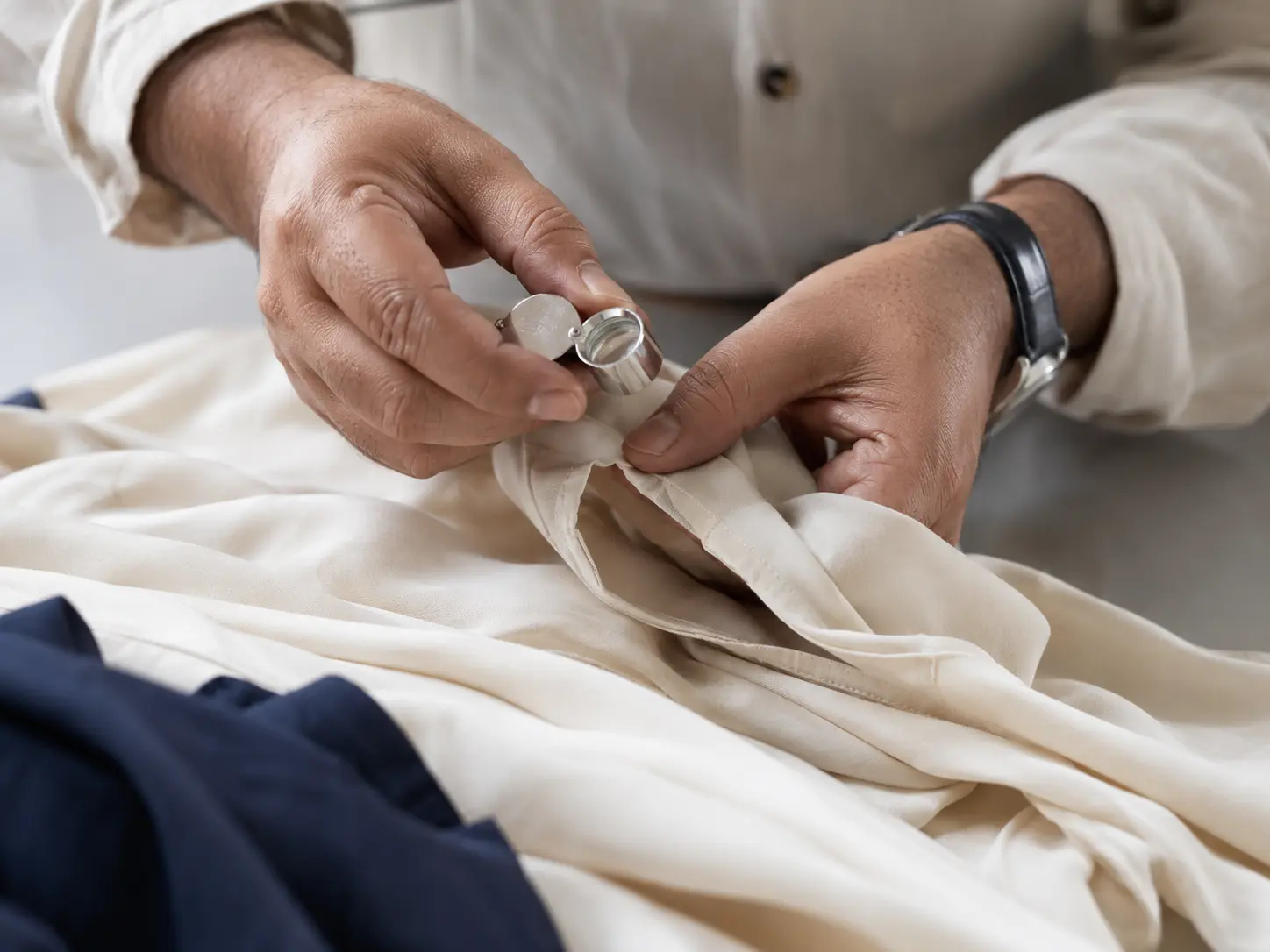
Minimums depend on fabric, construction, and factory setup. For many basic knit and casual styles, programs can often start in the low hundreds of pieces per style when the right factory match is available. Complex washes, special trims, or niche fabrics usually need higher quantities.
A practical planning window for many Bangladesh apparel programs is about 60 to 90 days of production after sample approval and order confirmation, then sea freight to Europe. Sampling and fabric booking sit in front of that window, so share your drop date early.
FOB depends on fabric weight, composition, finishing, trim package, order volume, and quality standard. Public price lists go stale quickly. The useful move is a clear tech pack, target quality level, and quantity so the desk can return a current commercial reading.
Compliance and documentation
US buyers usually bring their own retailer or brand requirement list, including social audit evidence and, for kidswear, product-safety documentation. We align factory shortlists to that list. Milky Fashions does not claim to hold BSCI, WRAP, SEDEX, or similar certificates.
US calendars, freight, and kidswear notes
US programs often fail on calendar, not on the first sample. Bangladesh production still needs sampling and fabric booking before bulk. Ocean freight then adds its own window. A buying house helps keep those stages owned so the US team is not chasing every factory update across time zones.
For kidswear, US buyers commonly ask about safety testing and labeling against their own standard. Share that requirement pack with the brief. We coordinate the conversation with matched factories. We do not publish a public testing price list or claim certificates that belong to factory partners.
Frequently asked questions
- How does apparel sourcing from Bangladesh work for US brands?
- Share a tech pack or detailed brief, confirm product type and quantity range, then we match factories, manage sampling, and oversee production and pre-shipment checks before goods ship to your market.
- What quantities do programs usually start with?
- Minimums depend on fabric, construction, and factory setup. For many basic knit and casual styles, programs can often start in the low hundreds of pieces per style when the right factory match is available. Complex washes, special trims, or niche fabrics usually need higher quantities.
- What lead time should US buyers plan for?
- A practical planning window for many Bangladesh apparel programs is about 60 to 90 days of production after sample approval and order confirmation, then sea freight to Europe. Sampling and fabric booking sit in front of that window, so share your drop date early.
- Do you work with US brands as well as European buyers?
- Yes. European programs are a core focus, and US brands can brief the same buying-house process for factory matching, sampling, quality follow-up, and shipment readiness.
- How should US teams plan freight timing?
- Build sampling and fabric booking first, then production, then ocean transit to your preferred US gateway. Share the in-store or warehouse date early so the time and action plan is realistic.
Ready to discuss a sourcing brief?
For fashion brands, importers, and wholesale buyers. Share your product family, sample status, and market destination so we can prepare the next conversation.
Discuss your sourcing brief on WhatsApp