
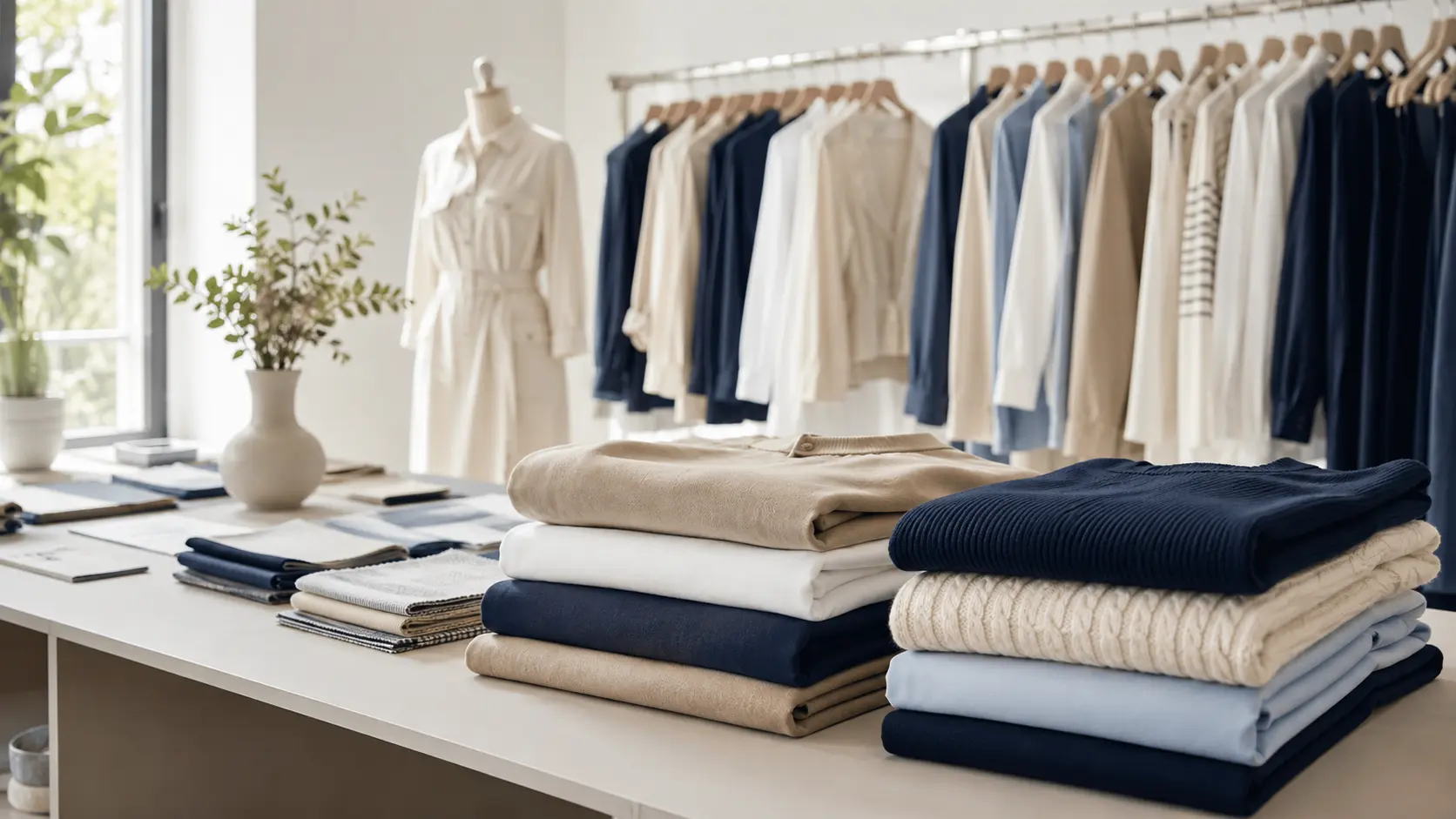
German brands and retailers expect disciplined sampling, audit readiness, and predictable delivery windows from Bangladesh partners. Milky Fashions works as an independent buying house in Dhaka, matching factories to product type and keeping quality and documentation follow-up visible through the order.
Why German brands source apparel from Bangladesh
For brands without a local Bangladesh office, a sourcing partner or buying house can keep factory selection, sampling, quality follow-up, and garment export program coordination in one place. The practical question is whether the selected route fits the actual garment brief and buyer requirement list.
- Fits German retail calendars that punish late or poorly documented shipments
- Factory shortlists shaped by product capability and audit readiness
- Sampling and bulk checkpoints before goods leave Bangladesh
- Support for common German and EU buyer compliance request packs
How a Bangladesh buying house helps German buyers
A buying house represents the buyer through a factory-matching and coordination process. That is different from a single manufacturer selling only its own capacity. Milky Fashions works as a Bangladesh sourcing partner with apparel supplier support and garment export program coordination: factory matching, sampling, production follow-up, and pre-shipment checks so your team keeps one accountable partner on the ground in Dhaka.
- Tech pack review and factory shortlist for the product type
- Sampling rounds with clear feedback capture
- Production monitoring against the agreed time and action plan
- Quality checkpoints before goods leave Bangladesh
- Supplier and export program coordination toward your preferred European or North American gateway
Categories we source
Programs usually sit across jersey basics, fleece, knitwear, denim, woven shirts, and related casual categories. The right factory for a heavyweight hoodie is not always the right factory for a lightweight fashion tee, so matching product to capability matters more than a generic supplier pitch.
- T-shirts, polos, and jersey basics
- Hoodies, sweatshirts, and fleece
- Sweaters and cardigans
- Denim and casual woven bottoms
- Private label and OEM collections built from your brief
Order planning: quantity, timing, and costing
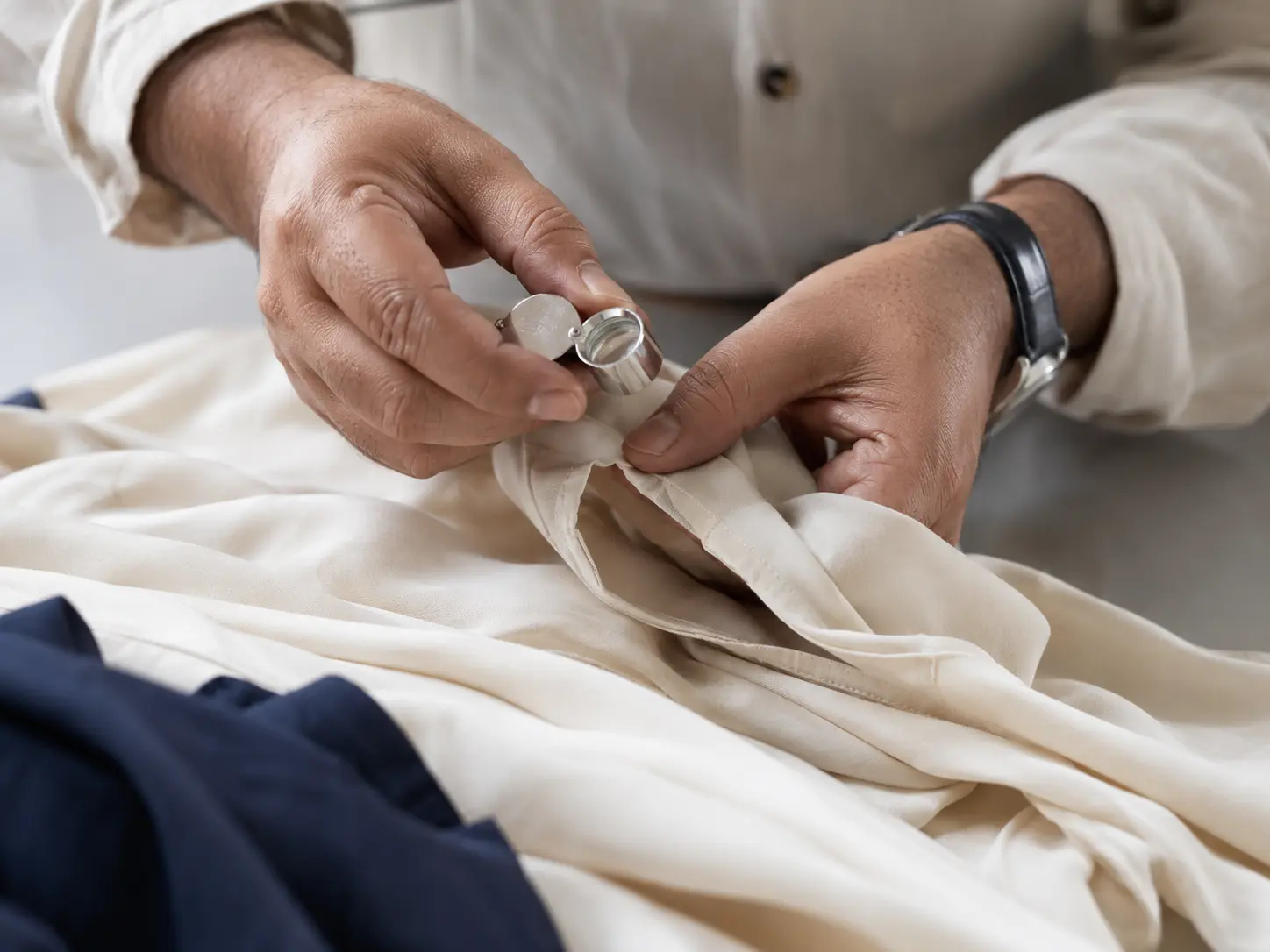
Minimums depend on fabric, construction, and factory setup. For many basic knit and casual styles, programs can often start in the low hundreds of pieces per style when the right factory match is available. Complex washes, special trims, or niche fabrics usually need higher quantities.
A practical planning window for many Bangladesh apparel programs is about 60 to 90 days of production after sample approval and order confirmation, then sea freight to Europe. Sampling and fabric booking sit in front of that window, so share your drop date early.
FOB depends on fabric weight, composition, finishing, trim package, order volume, and quality standard. Public price lists go stale quickly. The useful move is a clear tech pack, target quality level, and quantity so the desk can return a current commercial reading.
Compliance and documentation
German supply-chain diligence expectations make document discipline part of commercial viability. We treat audit and testing requests as part of factory matching, not a last-minute scramble after production starts.
Germany sourcing brief: decisions to make early
German retail briefs often arrive with detailed quality, packaging, and evidence requests. Put each required document, test, label instruction, and responsible approver into one order checklist. This makes it clear which points guide factory selection and which must be closed before production is released.
Do not treat a general EU statement as a complete German market instruction. Confirm the importing entity, retailer manual, destination, and applicable product requirements with the responsible German team. The sourcing desk can then coordinate against that written list.
Buyer instructions, sourcing coordination, and verification
| Before development | Milky Fashions coordinates | Verify before bulk |
|---|---|---|
| Provide the German retailer's detailed quality and evidence checklist | Request records against the selected factory and style | Each record is current, scoped, and reviewed by the responsible buyer |
| Identify the German importer and booking process | Keep sample, production, and document questions in one tracker | Final labels, packs, and documents match the released order |
Match every request to the final style, production site, and order date before relying on it. Social audit evidence, chemical information, and product testing answer different questions, so retain them as separate checks rather than one broad compliance label.
Frequently asked questions
- How does apparel sourcing from Bangladesh work for German brands?
- Share a tech pack or detailed brief, confirm product type and quantity range, then we match factories, manage sampling, and oversee production and pre-shipment checks before goods ship to your market.
- What quantities do programs usually start with?
- Minimums depend on fabric, construction, and factory setup. For many basic knit and casual styles, programs can often start in the low hundreds of pieces per style when the right factory match is available. Complex washes, special trims, or niche fabrics usually need higher quantities.
- What lead time should German buyers plan for?
- A practical planning window for many Bangladesh apparel programs is about 60 to 90 days of production after sample approval and order confirmation, then sea freight to Europe. Sampling and fabric booking sit in front of that window, so share your drop date early.
- Can you support German retailer documentation lists?
- Yes. Share the requirement list with the brief. We align factory options and document collection to those requests before bulk is locked.
Ready to discuss a sourcing brief?
For fashion brands, importers, and wholesale buyers. Share your product family, sample status, and market destination so we can prepare the next conversation.
Discuss your sourcing brief on WhatsApp