
Search results for top buying houses in Bangladesh often turn into promotional lists. Buyers need a better filter. The right partner is independent of a single factory, clear on product fit, disciplined on sampling, and honest about what they can and cannot control.
Evaluation checklist
- Independence: does the partner represent your interest across factories, or mainly sell one mill's capacity?
- Product fit: can they show relevant experience in your category, not only generic apparel claims?
- Communication: do they capture sample comments and keep time and action dates visible?
- Compliance handling: can they work against your audit and testing list without vague guarantees?
- Quality process: are checkpoints defined before goods ship?
- Commercial clarity: are service scope and responsibilities written plainly?
Red flags
- Guaranteed lowest price language with no tech pack review
- One factory presented as the only option for every category
- Certificates shown as a substitute for your requirement list
- No written sampling or inspection plan
How a Bangladesh buying house helps European buyers
A buying house represents the buyer through a factory-matching and coordination process. That is different from a single manufacturer selling only its own capacity. Milky Fashions works as a Bangladesh sourcing partner with apparel supplier support and garment export program coordination: factory matching, sampling, production follow-up, and pre-shipment checks so your team keeps one accountable partner on the ground in Dhaka.
- Tech pack review and factory shortlist for the product type
- Sampling rounds with clear feedback capture
- Production monitoring against the agreed time and action plan
- Quality checkpoints before goods leave Bangladesh
- Supplier and export program coordination toward your preferred European or North American gateway
Prepare the brief for choosing a garment buying house in Bangladesh before comparing suppliers
A useful supplier search starts with decisions that are easy to postpone and expensive to correct later. Set the product category, fabric direction, construction details, size range, target market, quantity by style, and required delivery date. Add the label, packaging, testing, social-audit, and chemical-document requests that actually apply to the order. A factory can only give a meaningful response when the brief makes those boundaries clear. This keeps a first conversation from turning into a vague promise about price, capacity, or certification.
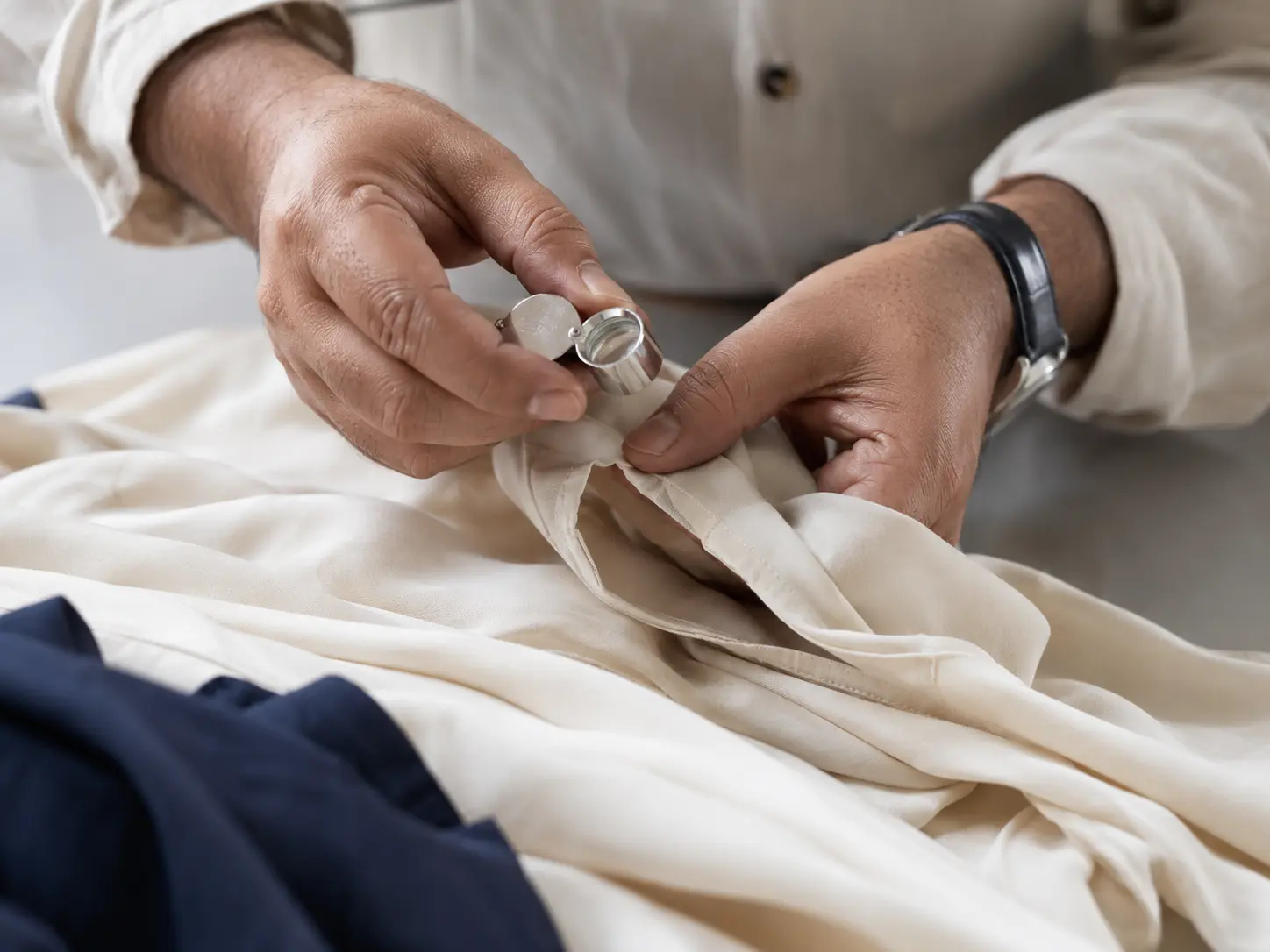
For an apparel program, the sample is the practical point where the brief meets production reality. It should be reviewed for measurement, fit, handfeel, construction, colour reference, print or embroidery placement where relevant, and packaging instructions. Record comments in one controlled document. When the buyer, buying house, and factory work from different versions of a specification, the later bulk discussion becomes slower and more difficult to audit.
| Stage | Buyer provides | Milky Fashions coordinates | Verify before bulk |
|---|---|---|---|
| Brief | Tech pack, target market, quantity range, and delivery target | Product-fit shortlist and questions that need an answer | The selected construction and requested documents match the brief |
| Sampling | Consolidated fit, material, and trim comments | Sample follow-up and a clear comment trail | One approved reference and one current specification |
| Bulk | Final approvals and any change control | Time and action follow-up with matched factories | Critical measurements, shade, workmanship, and pack details |
| Shipment readiness | Destination and document instructions | Pre-shipment coordination and visibility on open points | Commercial, packing, and shipping documents are reviewed by the responsible parties |
Choose a factory match, not a generic factory list
The right production route depends on the garment. A heavyweight brushed-fleece hoodie, a lightweight jersey T-shirt, a fine-gauge cardigan, and a stretch activewear style place different demands on fabric, machinery, finishing, and quality control. Treat a product capability claim as a question to verify against the actual style. A responsible shortlist is smaller and more useful than a long supplier list that says every factory can make every category.
Ask each shortlisted route how it will interpret the construction, what must be confirmed during sampling, and which buyer requirements need evidence before booking. This is also the right time to identify whether a material claim needs chain-of-custody documents or whether a retailer requires a particular audit format. Milky Fashions can request and organise the evidence named in a buyer brief. It does not claim to hold factory or material certifications in its own name.
Use a current commercial reading, not a public quote
Cost and timing should be read together. Fabric composition and weight, dyeing or wash treatment, trims, finishing, order volume, inspection requirements, destination, and freight mode can each change the commercial result. A public FOB figure cannot account for those choices and soon becomes misleading. The better comparison is a like-for-like costing request that uses the same tech pack, quantity assumptions, approval path, and delivery destination for every option.
Do not treat a lower first number as a complete sourcing decision. Confirm what it includes, which version of the specification was used, what is still provisional, and whether the calendar leaves room for sample comments. If a requirement changes after costing, put that change back through the same controlled process. Clear assumptions protect both the buyer and the factory from a bulk order built on an outdated sample or incomplete pack.
Keep compliance evidence and product claims specific
Social audit evidence, chemical restrictions, fibre-content labelling, testing, and environmental claims have different purposes. They should be requested as separate parts of the buyer requirement list. Market rules and retailer manuals can differ, so confirm the required product pack with the responsible importer or brand team early. This is a reason to prepare a specific requirement list, not a reason to publish a blanket compliance promise.
Build the evidence request into the calendar rather than attaching it at the end. A buyer can list the needed audit format, material documentation, restricted-substance expectations, test reports, fibre declaration, label copy, and claim substantiation with the initial brief. The sourcing desk can ask the selected route for the relevant documents and keep open points visible. That does not turn a document into a permanent promise. Evidence needs to be reviewed for its scope, date, production site, product connection, and the buyer's own acceptance criteria.
The same discipline applies to marketing language. Terms such as organic, recycled, responsible, tested, or certified should only appear on a product when the responsible brand has the evidence and approvals needed for the market where it will be sold. A sourcing conversation can identify which documents may be needed, but it cannot replace a buyer's legal review. Keeping product claims, labels, and documents in the same approval trail reduces the risk that a late packaging change contradicts the approved material or sample information.
At handover, ask four simple questions: is the current specification the one used for bulk, are approved sample comments recorded in one place, do labels and packaging match the destination, and has each requested document been checked by the responsible party? If any answer is unclear, close it before goods are released. This is not extra administration for its own sake. It is the practical record that lets buyer, factory, freight partner, and sourcing desk work from the same order rather than from several informal messages.
Frequently asked questions
- Who gives final approval before bulk and shipment?
- The buyer and the responsible importer or brand team approve the commercial, product, and market requirements. Milky Fashions keeps supplier-side questions, sample comments, and open points visible for that decision.
- What is the difference between a buying house and a factory?
- A factory sells its own production. A buying house selects and coordinates factories on the buyer's behalf, then follows sampling, production, and quality checks across that network.
- How should I shortlist buying houses?
- Start with category fit, independence, communication quality, and compliance handling. Ask for a clear process for your first style before comparing commission stories.
Ready to discuss a sourcing brief?
For fashion brands, importers, and wholesale buyers. Share your product family, sample status, and market destination so we can prepare the next conversation.
Discuss your sourcing brief on WhatsApp